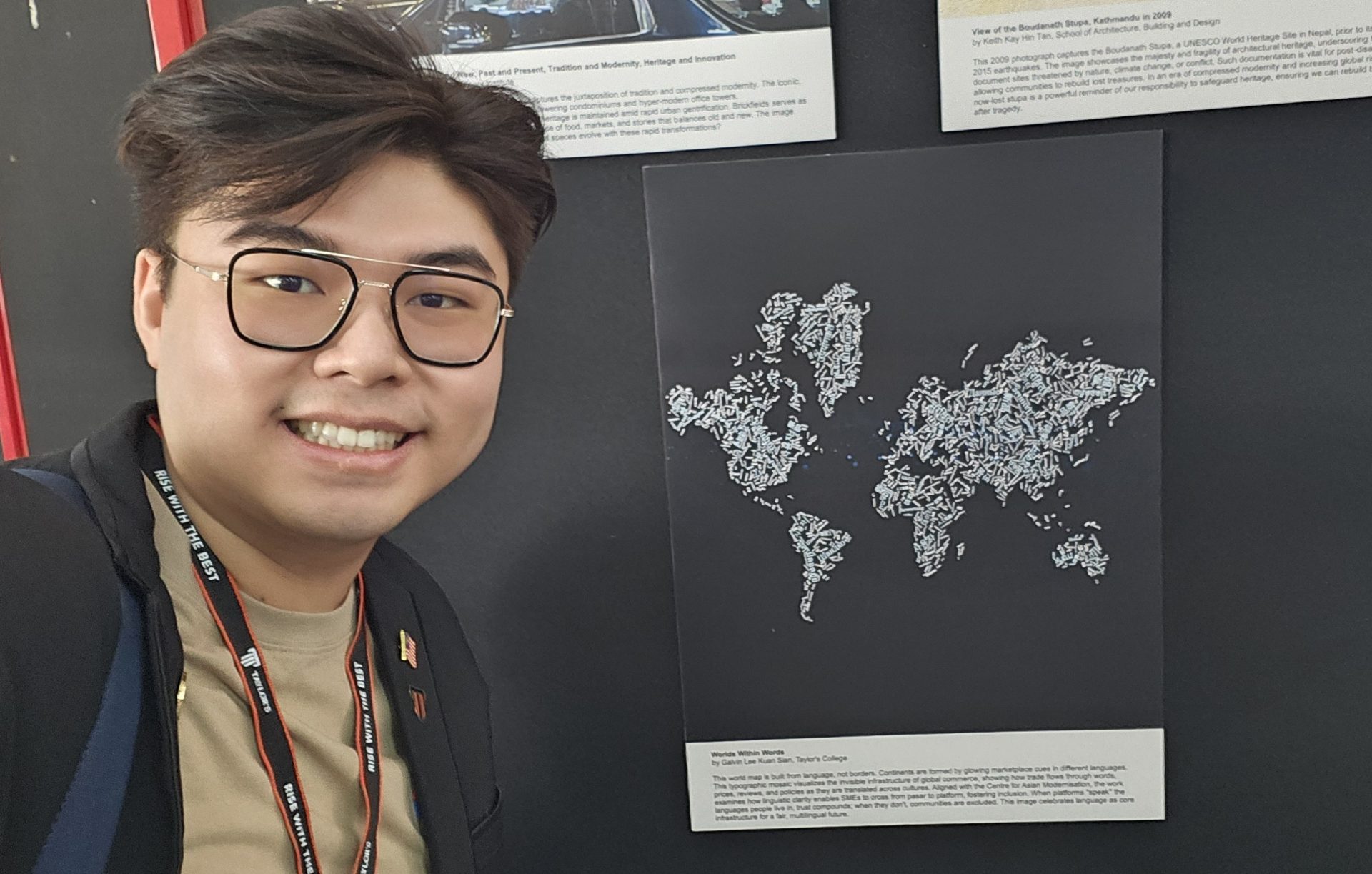
Inv. Galvin Lee Kuan Sian is a Malaysian educator, academic, and innovation-driven leader whose work sits at the intersection of teaching, AI, and educational transformation. Born in Kuching and shaped by a family of teachers, he developed an early passion for learning, achievement, and building better systems, which later evolved into a career spanning higher education, EdTech innovation, and academic research. He currently serves as a lecturer of marketing and economics at a top private college in Malaysia, while also pursuing doctoral research in marketing and consumer behaviour at Universiti Malaya. Known for combining practical teaching, strong ambition, and a deep interest in relevance and student engagement, Galvin has built a growing portfolio of AI- and innovation-led educational projects aimed at making learning more memorable, effective, and future-ready.
In this in-depth conversation, he reflects on his early life, the values that shaped him, his philosophy on learning, the rise of AI in education, the pressures behind achievement, and the long-term legacy he hopes to build.

Q: Let us begin at the beginning. Tell us about your early life in Kuching and the kind of childhood you had.
I was born in Kuching on 3 January 2001, and I grew up there until I was 18 before moving to Selangor to further my studies. When I look back, I would describe my childhood as very fun, warm, and full of learning. My parents always made time for me, and because both of them were teachers, learning was never treated as something narrow or stressful. It was simply part of life.
My father would expose me to science experiments and curiosity-driven exploration, while my mother guided me very closely in homework and schoolwork. My brother was also always there as a companion. So I grew up in an environment where education was not just about grades, but about engagement, discipline, and discovery. I think that gave me a very strong foundation, not only academically but also in the way I now see teaching and learning.
Q: How much did your family shape the person you later became?
A great deal. We were a very happy family, and my parents were always supportive, caring, understanding, and deeply committed to wanting the best for me. They did not just tell me to study hard. They showed me what commitment, responsibility, and meaningful success looked like through the way they lived.
Because they were both teachers, I also saw very early how education could shape lives. I grew up seeing former students who had gone on to become successful people, and that stayed with me. It made success feel tangible, and it made education feel powerful. I think that is one reason I always had a strong sense that my life would somehow remain connected to education.
Q: What kind of person were you when you were younger?
Even from a young age, I was very competitive, curious, entrepreneurial, and always wanted to try new things. I always wanted to do well and, if I am honest, to be the best at what I was doing. That intensity was there quite early. Of course, that also meant that there were times when people might have seen me as demanding, or even a little arrogant, because I held high expectations for myself and sometimes for others too.
But I think underneath that was a genuine hunger to grow. I was never someone content to drift. I liked improvement, I liked challenge, and I liked seeing what was possible if I pushed myself harder.
Q: Did you always know you wanted a life in education?
Yes, in one form or another. I always loved being in the environment of education. It may not have been exactly this version of my life, where I became a lecturer, built educational innovations, and managed multiple education-related brands and ideas, but I always knew education would be part of my story.
Of course, like many young people, I also had wild ambitions at different points. I imagined becoming a chef, an engineer, even a pilot. But the educational environment always pulled me back. I think deep down I always knew that was where I belonged.
Q: You were initially a science student. How did the shift into business, economics, finance, and marketing happen?
That is one of the more interesting parts of my journey. I was a pure science student and I genuinely loved science. I never formally studied business before college. Then, when college and university came, I became interested in business and gradually found myself becoming multidisciplinary, first through economics and finance, and then eventually through marketing and consumer behaviour.
I think what appealed to me was that these disciplines helped explain how people think, choose, compete, and make decisions. Science trained me to be analytical, but business and marketing opened up another dimension for me, especially the human side of decision-making. That combination became very powerful for the kind of work I do now, especially when thinking about education, innovation, and AI.
Q: What were you like as a student yourself?
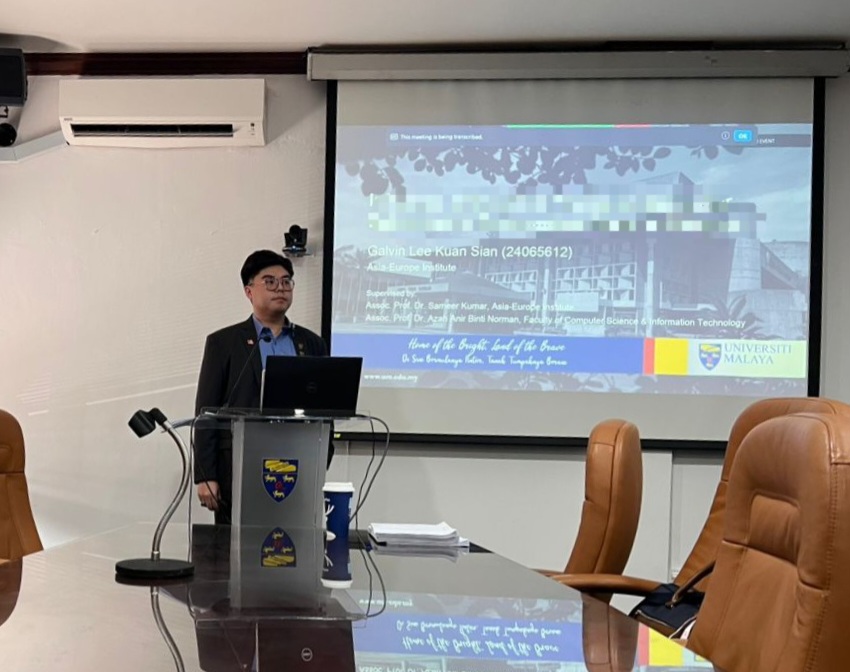
I was always a high performer, but that did not happen by accident. It came with a lot of grinding. I had my fair share of laziness like anyone else, but somehow I would still find a way to push myself back into the upper spectrum of the class. I was never someone who relied purely on talent. I had to work, and I learned quite early that consistent effort mattered.
One thing that helped me a lot was creating my own systems. Even as a student, I was already building my own notes, learning methods, and ways of simplifying material so that I could study smart and study fast. Looking back, that instinct to create systems was probably the early version of the innovation work I do today as an educator.
Q: Beyond academics, what did your student years teach you?
The biggest lesson was the importance of meaningful connections and trying new things. University is not only about collecting qualifications. It is one of the best times in life to experiment, fail, learn, and meet people who may later become close companions, mentors, collaborators, or even life-changing influences.
I have had many mentors along the way, including teachers, lecturers, and seniors whom I looked up to very highly. It is difficult to name just one because many people shaped me in different seasons of life. What matters is that I learned not to move through education alone. Good people matter. New experiences matter. Failure, when it comes early enough, can also be a gift.
Q: When did teaching become personally meaningful to you?
I always had the sense that teaching would suit me, but over time it became meaningful for deeper reasons. First, I realised that teaching makes you learn better. When you teach something, you are forced to organise your thoughts, simplify complexity, and truly understand what you are saying. Second, I came to see teaching as a noble job because you get to become a meaningful part of someone else’s life story.
That is powerful. A teacher or lecturer may only spend one semester with a student, but the effect of that semester can last much longer. I have always found meaning in the idea that I could contribute to someone’s growth, confidence, direction, or success.
Q: What kind of educator did you want to become?
From the beginning, I always wanted to be practical, easy to understand, and interesting to listen to. I never liked the idea of teaching that felt unnecessarily complicated or dry. I wanted students to feel that what they were learning made sense and that the classroom was a place where concepts became clear, useful, and engaging.
Over time, I simply became better at doing that. Experience helps, but so does intention. I care a lot about whether students can follow, whether the session feels alive, and whether the learning is relevant to their reality.
Q: What do students often misunderstand about the work educators actually do?
Many students think lecturers have it easy because from their perspective, it can look like we are simply repeating what we already know or reusing the same materials. In reality, there is a tremendous amount of invisible work behind the scenes. Teaching involves planning, adaptation, quality control, redesign, responding to new student needs, and finding better ways to keep learning relevant.
That is one reason I became so invested in innovation. I never wanted to become complacent or repetitive. If education is going to remain meaningful, then educators cannot keep approaching it as a static routine.
Q: How would you describe your teaching philosophy today?
My teaching philosophy is to help students study smart and study fast using structured and effective techniques. I want them to look at learning outcomes and exams in the bigger picture, not just in a fragmented or last-minute way. Good learning, to me, is strategic, intentional, and well-organised.
At the same time, I want students to leave my classes with passion. If they only leave with notes, that is not enough. Passion is what drives them to continue beyond the classroom, to explore further, to care more deeply, and eventually to influence others as well.
Q: You are also known for building projects and educational innovations. Where does that instinct come from?
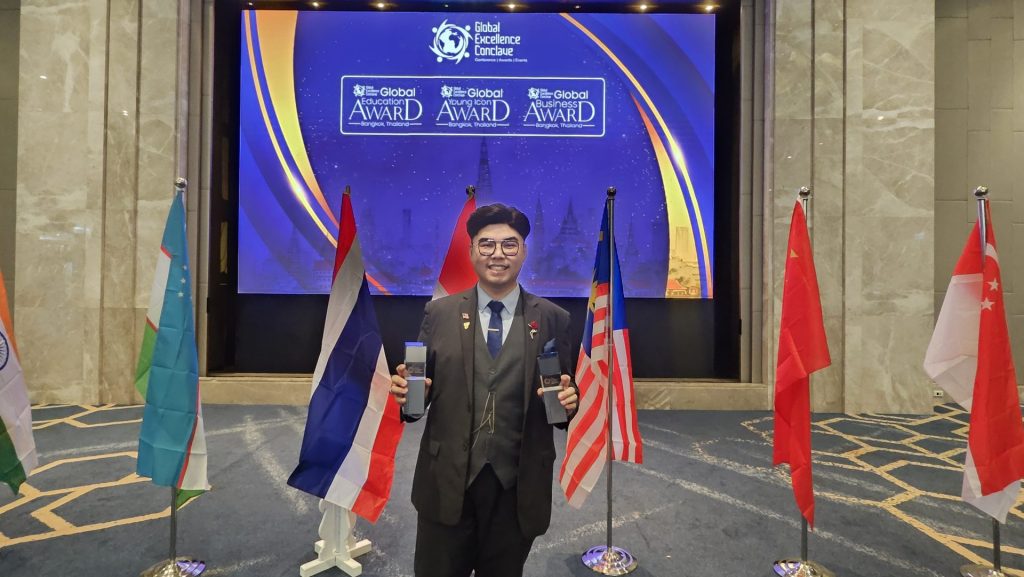
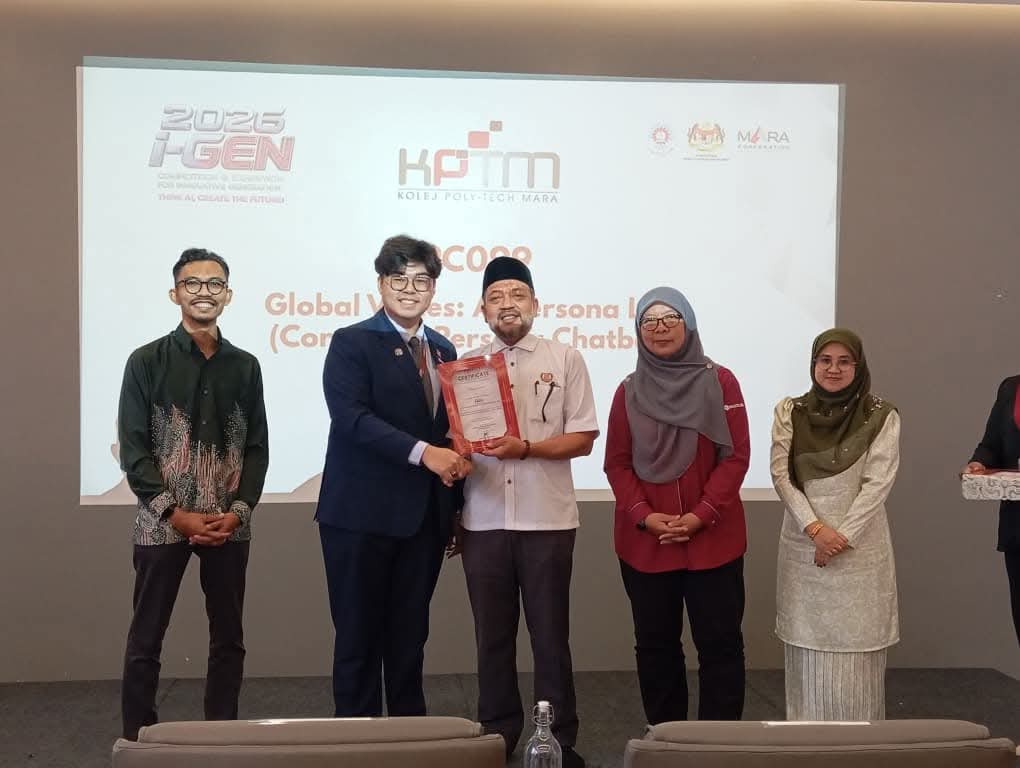
Part of it comes from ambition. I always wanted to be someone who is looked up to, someone respected as an expert in the field. Once you begin seriously trying to become the best version of yourself, you naturally start creating things, testing ideas, and building projects. Over time, some of those become meaningful innovations, and some go on to win recognition.
But I would also say the instinct has always been there. Even as a student, I was already creating my own learning systems because I wanted smarter and faster ways to learn. Today I am still doing the same thing, just from the perspective of an educator building for students, classrooms, and institutions.
Q: What first pushed you into real EdTech and AI-related innovation?
Relevance. I have always believed that educational tools must be relevant to the learning context and to students’ actual circumstances. They cannot feel detached or artificial. They also need to make a positive impression. If something feels attractive, memorable, and engaging, students are more likely to lean into it.
My first major project, Global Voices: AI Persona Lab, was very meaningful to me because that was the one that really brought me into EdTech in a serious way. It opened the door to the rest of the innovation journey that followed. From there, other ideas, projects, and award-winning work began to grow.
Q: What do most people still get wrong about AI in education?
They think AI is about the tool, when in reality it is about the system. The conversation should be less about what tool you are using and more about when to use it, where to use it, who is using it, and how it is being used. That is the part many people miss.
Generative AI, for example, is not only about producing long essays or flashy outputs. It can be used to process information, structure ideas, support planning, or improve workflow. The important principle is that it should enhance rather than replace. Once you understand that, the conversation becomes much more mature.
Q: How do you define meaningful innovation in education?
For me, meaningful innovation must be scalable, memorable, interesting to use, and able to work without too many barriers. There is no point designing something that is technically impressive but difficult to implement, difficult to sustain, or unappealing to students.
Ultimately, I am trying to create learning experiences that students will remember. Today’s students, especially Gen Z digital natives, are highly responsive to technology and design. If we want education to connect with them, we cannot ignore that. At the same time, the innovation must still serve learning, not distract from it.
Q: You have received recognition, but what success means the most to you personally?
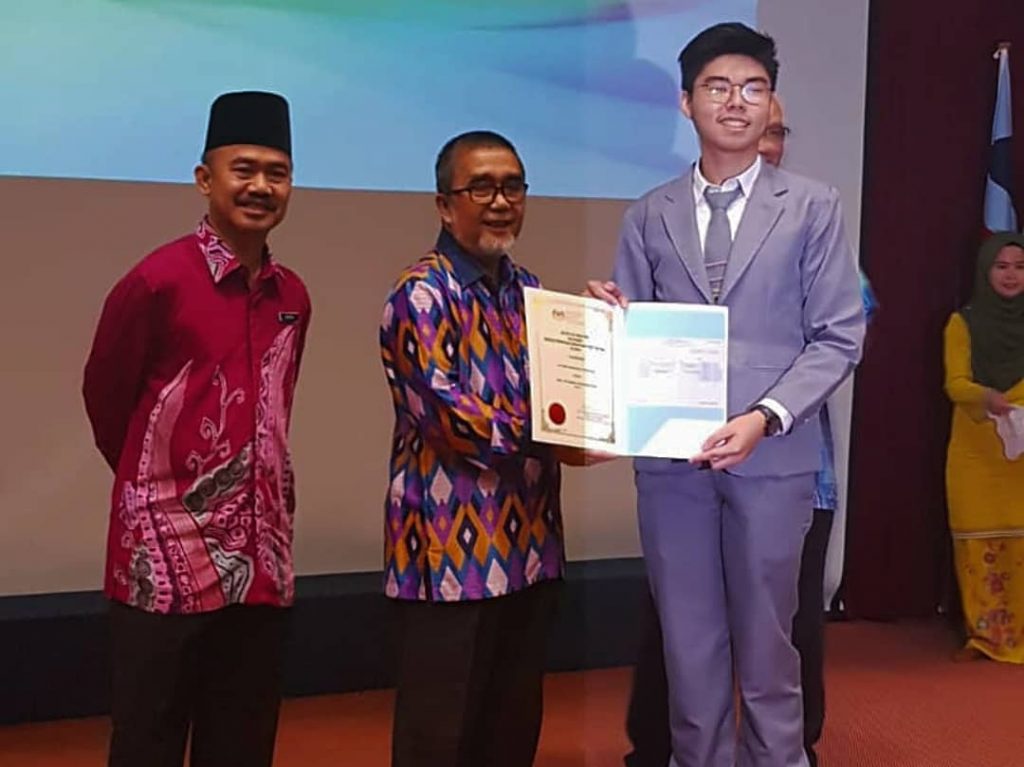
Without question, it is my students doing well, scoring well, graduating, and moving forward successfully. That means more to me than anything else because it tells me that what I did contributed positively and achieved the intended outcome. It validates the work in the most meaningful way.
And if students remember that I was part of that journey, that matters too. Not in an ego-driven sense alone, but because it means I made a genuine imprint on their educational experience.
Q: What do people usually not see behind visible success?
They do not see the progress. They see the final outcome, the title, the award, the recognition, but not the many small victories, adjustments, frustrations, and improvements that built towards it. Progress is often quiet. It is made up of many moments that do not look dramatic at the time.
That is something I have come to appreciate more deeply. Big achievements are usually the result of smaller efforts being taken seriously over a long enough period.
Q: Have you experienced self-doubt or disappointment?
Definitely. Especially when trying new things, entering major competitions, or taking a big idea into a high-stakes setting, there are always moments of doubt. One major disappointment for me was failing to get shortlisted for an important annual national award. That made me reflect quite heavily, not only on the project itself but also on my purpose and how I was framing my work.
In hindsight, that setback was useful. It forced me to sharpen my thinking. Sometimes failure is not simply rejection. Sometimes it is feedback in a harsher form.
Q: You seem to manage many things at once. How do you deal with pressure?
Pressure actually fuels me. I find it thrilling, meaningful, and energising to multitask. That does not mean it is always easy, but I tend to come alive when there is a lot happening. It gives me momentum.
At the same time, I am still human. I can be unsure and indecisive at times, and people who know me personally understand that side of me better than outsiders do. Publicly, people may see confidence and drive. Privately, there are still moments of uncertainty.
Q: What does success mean to you at this stage of your life?
Success to me now means not having to worry about anything. That includes financial security, peace of mind, meaningful impact, and the freedom to build the things I believe in without being constrained by constant limitation.
I have sacrificed a lot of fun along the way, although I also believe rewards come in different forms. When I see progress, impact, recognition, and possibilities opening up, I feel that the sacrifices are being translated into something worthwhile.
Q: What are you trying to build over the next five to ten years?
I want to build strong educational brands, impact more lives, and eventually move into a senior leadership role in higher education. I want to be known as one of the best practitioners in AI in education and as a strong educational leader in Malaysia.
More broadly, I see myself as a lifelong learner, leader, and innovator. Those are probably the three identities that sit closest to the core of who I am. I want my work to continue growing in depth, reach, and credibility.
Q: Finally, what do you hope people will one day say about you?
I hope they will say that I had many good ideas and that I had my own special, almost magical way of framing them. More importantly, I hope they will say that the work meant something, that it helped people, and that it pushed education forward in a meaningful way.
If a young Malaysian educator or student reads my story, I hope they take away one thing above all: always think holistically. Ask yourself, what if I were the student? What if I were the parent? What if this happened at a different time, in a different context, or under different pressures? That broader way of thinking changes how you design, how you lead, and how you live.
In many ways, Galvin’s journey is still unfolding, but the direction is already clear. What began with a childhood shaped by educators, curiosity, and high expectations has grown into a life dedicated to teaching, innovation, and building meaningful educational impact. Whether through the classroom, AI-driven projects, or broader leadership ambitions, his work reflects a consistent belief that education should be relevant, memorable, and transformative. As he continues to grow as an educator, innovator, and leader, one thing remains central to his story: a desire not only to succeed, but to leave behind ideas, systems, and experiences that genuinely make a difference in the lives of others. Learn more about Galvin at https://galvinlee.com